
The Quiet Power of Weight Training and Good Nutrition
- David Johnson
- Jan 15
- 4 min read

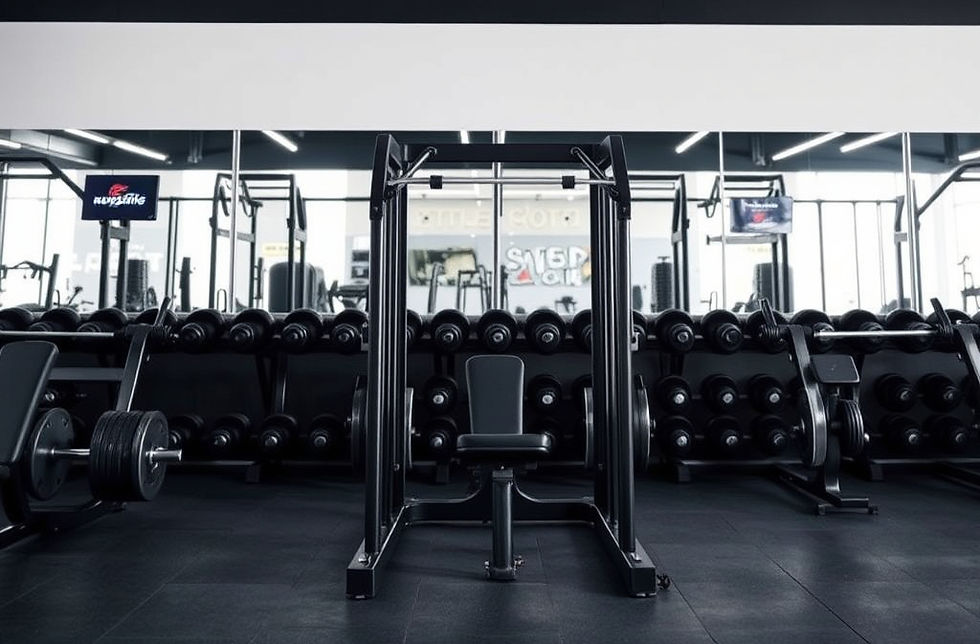
For a long time, I thought weight training was mostly about looks. Bigger muscles. Toned arms. Maybe fitting into a smaller pair of jeans. Nutrition lived in one box and lifting weights lived in another. Eat well for health. Lift weights if you want to look a certain way.
What I have learned over time is that those two things are deeply connected. Weight training is not just about appearance. It plays a quiet but powerful role in how our bodies use food, manage blood sugar, protect our bones, and even how we feel mentally as we age. When nutrition and strength training work together, the whole system runs better.
Let's start with muscle, because muscle often gets overlooked. Muscle is not just there to help you carry groceries or open stubborn jars. Muscle is metabolically active tissue. That means it uses energy all day long, even when you are sitting on the couch or sleeping. The more muscle you have, the more calories your body naturally burns just to stay alive.
This matters for nutrition because it changes how forgiving your body can be. When you build muscle through resistance training, your metabolism gets a gentle boost. Not an extreme, overnight change, but a steady one. That extra muscle helps your body handle the food you eat more efficiently. Instead of excess calories being stored as fat, more of that energy can be used to support muscle repair and daily movement.
Weight training also plays a big role in how your body handles blood sugar. When you lift weights, your muscles become better at pulling sugar out of your bloodstream and using it for fuel. This improves insulin sensitivity, which is a fancy way of saying your body does not have to work as hard to manage blood sugar levels.
For people concerned about energy crashes, constant hunger, or conditions like prediabetes or type 2 diabetes, this is huge. Nutrition matters, of course, but strength training helps make that nutrition work better. Carbohydrates are not just floating around causing trouble. They are being used where they belong.
There is also the issue of nutrient use. You can eat the most balanced diet in the world, but if your body is not good at using what you give it, you are not getting the full benefit. Resistance training signals your body to put nutrients to work. Protein goes toward repairing and building muscle. Minerals like calcium and magnesium help strengthen bones. Even vitamins are used more efficiently when your body is actively maintaining muscle tissue.
Speaking of bones, this is one of the most important and least talked about benefits of weight training. As we get older, we naturally lose bone density. This can lead to fractures, balance issues, and a loss of independence. Lifting weights places healthy stress on bones, telling them to stay strong and dense. Nutrition provides the raw materials, but strength training gives the signal.
Mental health is another quiet benefit. Weight training has been shown to reduce symptoms of anxiety and depression, improve sleep, and boost confidence. There is something deeply grounding about feeling physically capable. It does not matter how much weight you lift. What matters is showing up and noticing that you are stronger than you were before.
This becomes especially important as we age. Muscle loss and bone loss are not just cosmetic issues. They affect balance, mobility, and long term health. Strength training helps slow that decline. Combined with proper nutrition, it can help preserve independence and quality of life well into later years.
One thing I want to be clear about is that this does not have to be extreme. You do not need to live in the gym. You do not need to follow a rigid plan or lift heavy weights right away. Even two or three short sessions a week can make a meaningful difference. Bodyweight exercises, resistance bands, machines, or free weights all count.
The same goes for nutrition. This is not about perfection. It is about support. Eating enough protein to help muscles recover. Including carbohydrates to fuel workouts. Getting healthy fats for hormone balance. Staying hydrated. These things work together, not against each other.
When strength training and nutrition are aligned, fat loss becomes more sustainable. Muscle gain feels more achievable. Hormones are better regulated. The risk of chronic diseases like heart disease, diabetes, and osteoporosis goes down. Not because of one magic workout or one perfect meal, but because the body is being supported from multiple angles.
Weight training is not a punishment for what you ate. It is not something you earn. It is a tool that helps your body use food better, feel stronger, and age with more resilience. When you shift your mindset from “I should do this” to “this supports me,” everything changes.
At its core, resistance training is not about chasing a certain body. It is about building a body that can handle life a little more easily. When paired with thoughtful nutrition, it becomes one of the most powerful foundations for long term health and longevity. And the best part is, it meets you where you are and grows with you from there.



Comments