
Let’s Talk About Food Labels (Without the Headache)
- David Johnson
- Jan 5
- 3 min read

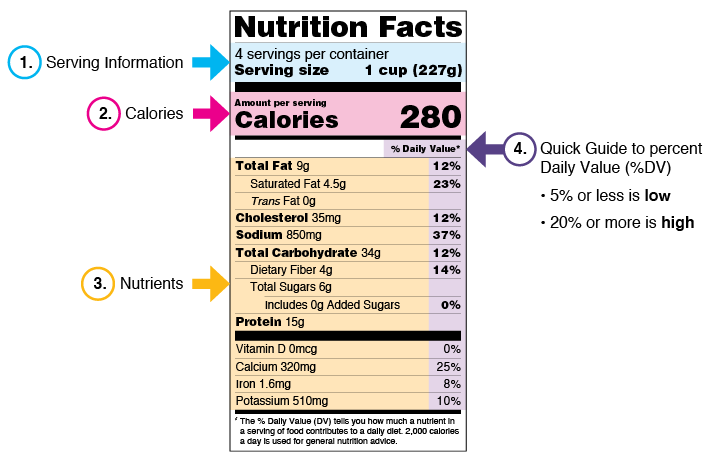
If you’ve ever picked up a box at the grocery store, turned it over, and thought, “Well… that’s a lot of numbers,” you’re not alone. Food labels can feel overwhelming at first glance. But here’s the good news: you don’t need to understand everything on the label to make healthier choices. You really just need to know where to look and once you do, it gets much easier.
Think of this as something we’d talk about over coffee, not a lesson you have to memorize.
Start at the Top: Serving Size
The very first thing I look at is the serving size. This part matters because all the other numbers on the label are based on that amount of food.
Sometimes the serving size is smaller than we expect. If you know you’ll eat more than one serving and let’s be honest, we all do sometimes, it just means those numbers need to be multiplied. No judgment here, just awareness.
Calories: Just a Piece of the Puzzle
Calories often get all the attention, but they’re only one part of the story. I like to think of calories in context: How much am I eating, and how does this fit into my day?
You don’t need to count every calorie, just notice them and move on.
A Few Things to Gently Limit
There are a few nutrients most of us do better keeping on the lower side. When I glance at a label, I keep an eye out for these:
Saturated and Trans Fats: Trans fats are the ones to really avoid. Even if the label says “0 grams,” peek at the ingredients. If you see “partially hydrogenated oils,” that’s your cue to put it back on the shelf.
Added Sugars: Sugar has many names: high-fructose corn syrup, dextrose, honey, and more. A little is fine, but lots of added sugar can sneak up on us.
Sodium: Salt hides in many packaged foods, and too much can affect blood pressure. Comparing labels can be eye-opening here.
Now the Good Stuff: What to Look For
Labels aren’t just about what to avoid — they also help us find foods that support our health.
Dietary FiberFiber helps digestion and keeps us feeling satisfied. Many of us don’t get quite enough.
ProteinImportant for maintaining strength and muscle as we age.
Vitamins and MineralsThings like calcium, potassium, iron, and vitamin D help support bones, muscles, and overall well-being.
If you see higher amounts of these, that’s usually a good sign.
A Helpful Shortcut: % Daily Value
The % Daily Value is one of my favorite tools because it keeps things simple.
5% or less means the food is low in that nutrient
20% or more means it’s high
So if you’re checking sugar or sodium, lower is better. If you’re looking at fiber or calcium, higher is a win.
Don’t Skip the Ingredients List
This is where the truth really lives. Ingredients are listed in order by weight, so what’s first makes up most of the food.
I aim for foods with:
Shorter ingredient lists
Ingredients I recognize and could picture in my kitchen
If it reads like a science experiment, I usually try to move on.
One Last Friendly Reminder
Those big promises on the front of the package “natural,” “low-fat,” “heart healthy” don’t always tell the full story. They’re meant to catch your eye, not guide your health. The real information is always on the label itself.
Take It One Label at a Time
You don’t have to change everything at once. Start by reading just one label on your next grocery trip. Then another. Before long, it becomes second nature.
This isn’t about perfection. It’s about feeling good, staying strong, and making choices that support the life you want to enjoy, one small, confident step at a time.



Comments