
Is Seed Oil Really Trying to Kill You?
- David Johnson
- Jan 20
- 4 min read

Or Is Nutrition Media Doing What It Always Does?
If you’ve spent any time on social media lately, you might feel like seed oils are the newest villain in the food world.
One scroll and you’ll see bold claims:
“Seed oils cause inflammation.”
“Seed oils are toxic.”
“Seed oils are why everyone is sick.”
It can feel alarming, especially when the message is delivered with urgency, anger, or certainty. And when something sounds dangerous, our brains naturally pay attention. That’s not a flaw. That’s human. But before we decide seed oils are secretly plotting against us, let’s slow things down and look at what we actually know and what we don’t.
This isn’t about telling you what to eat. It’s about helping you separate fear from facts so you can make your own decisions with confidence.
Why Seed Oils Became the New Villain
Every few years, nutrition media finds a new “enemy.”
Fat was the problem.
Then carbs.
Then sugar.
Then gluten.
Now… seed oils.
Fear-based headlines spread quickly because they tap into something powerful: the desire to protect our health and our families. Add a few dramatic before-and-after stories, and suddenly a single ingredient becomes the explanation for everything that feels wrong.
Social media rewards strong opinions, not careful nuance. Calm voices don’t go viral. Outrage does.
That doesn’t mean people raising concerns are bad or foolish. It just means the loudest messages are often the simplest and the scariest.
What Seed Oils Actually Are
Let’s start with basics.
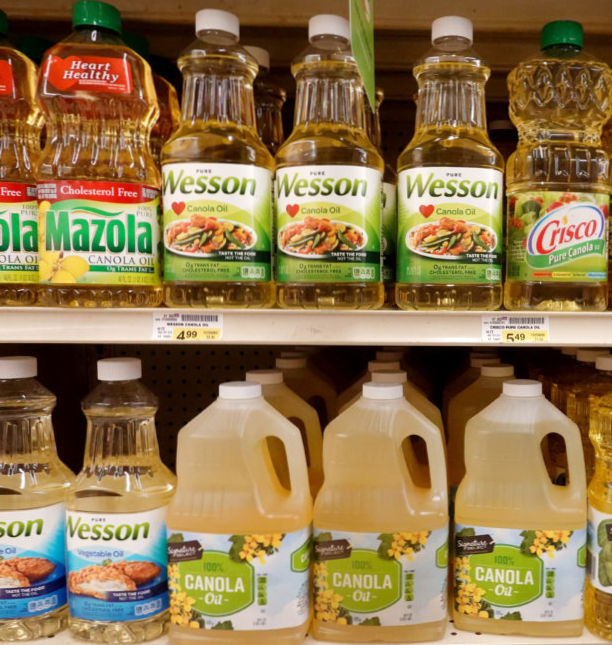
Seed oils are oils extracted from seeds. Common ones include:
Canola oil
Soybean oil
Sunflower oil
Corn oil
Safflower oil
They’re used in cooking, baking, and packaged foods because they’re affordable, shelf-stable, and neutral in flavor. Seed oils contain polyunsaturated fats, including omega-6 fatty acids. Omega-6s are not inherently bad, they are essential fats, meaning our bodies need them to function.
The concern usually isn’t that omega-6s exist. It’s about balance and amount.
What the Science Says (And Doesn’t Say)
Here’s where things get more nuanced and less dramatic.
What science does support:
Omega-6 fats can promote inflammation when consumed in excess and without balance from omega-3 fats.
Highly processed foods that contain seed oils are associated with poorer health outcomes.
What science does not clearly support:
That seed oils alone cause chronic disease.
That removing seed oils automatically improves health.
That seed oils are “toxic” at normal intake levels.
Most large human studies show that replacing saturated fat with polyunsaturated fats (including seed oils) is associated with improved heart health markers. That doesn’t make seed oils magical. It just means the picture is more complicated than viral posts suggest.
Why Context Matters More Than Ingredients
Here’s an important question that often gets skipped:
Are we blaming the oil… or the food it’s usually in?
Seed oils are commonly found in:
Chips
Fried foods
Packaged snacks
Fast food
Ultra-processed meals
These foods are often high in refined carbs, low in fiber, low in protein, and easy to overeat.
If someone feels better after cutting out seed oils, it may not be the oil alone, it may be that they’re eating fewer ultra-processed foods overall. That’s a meaningful change, but it doesn’t prove seed oils are the sole problem.
Context matters.
Ultra-Processed Food vs. One Ingredient
There’s a big difference between:
A home-cooked meal made with a small amount of oil and
A factory-made product designed to be eaten endlessly
Ultra-processed foods are engineered for convenience and shelf life, not nourishment. They combine fats, refined starches, salt, and flavor enhancers in ways that override hunger signals. Blaming one ingredient in that system is tempting, but often misleading.
It’s like blaming the doorknob for why the house is messy.
The Real Drivers of Inflammation
Chronic inflammation is real. But it usually comes from patterns, not single foods.
Major contributors include:
Long-term calorie excess
Poor sleep
Chronic stress
Lack of movement
Smoking
Heavy alcohol use
Diets low in fruits, vegetables, and fiber
No single oil overrides all of these factors. Health is cumulative. It’s shaped over years, not ruined by one ingredient.
How Fear-Based Nutrition Hurts More Than It Helps
Fear can be motivating, but it’s not a great teacher.
When nutrition becomes about panic:
People stop trusting their own judgment
Foods become “good” or “evil”
Conversations turn into arguments
Cancel culture replaces curiosity
Worse, fear spreads faster than facts. People repeat bold claims without checking sources, not because they’re careless, but because they want to help others. Unfortunately, sharing incorrect information can cause more harm than the food ever could.
A Practical, Non-Paranoid Way to Eat Fats
So what’s a calm, reasonable approach?
Use a variety of fats: olive oil, avocado oil, butter, seed oils
Focus on whole foods most of the time
Eat fish or omega-3 sources regularly
Limit ultra-processed foods, not out of fear, but for balance
Pay attention to how you feel, not just what’s trending
You don’t need to eat perfectly to eat well.
The Bottom Line
Seed oils are not saints. They’re not villains either. They’re one part of a much bigger picture, one that includes lifestyle, stress, movement, community, and consistency. Nutrition media will always look for the next big thing to fear. Your job isn’t to panic, it’s to pause, learn, and decide what makes sense for you. Your health deserves more than a headline.



Comments